
In the latest stage of her fabulous Indochinese journey, Ann’s spending her time relaxing on the beach and exploring the wonderful city of Hoi An. Here’s what she’s discovered – history, accessibility and charm.
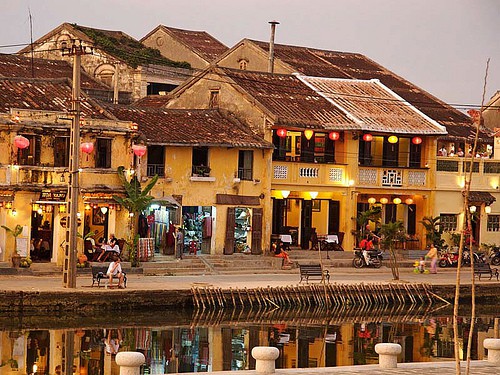
The Medieval city of Hoi An survived the Vietnam war by a fluke of nature: Founded in the 15th Century it was a thriving port and trading centre overlooking the South China sea, linking Central Vietnam with China and Japan, but over the centuries the river silted up and its importance dimished. Until the last ten years, Hoi An was just a sleepy backwater, with few visitors and no strategic importance. It’s because of this that the stunning medieval shops and houses, surrounded by the maze of narrow alleys and water inlets, were saved from the ravages of wars and are still beautifully preserved.
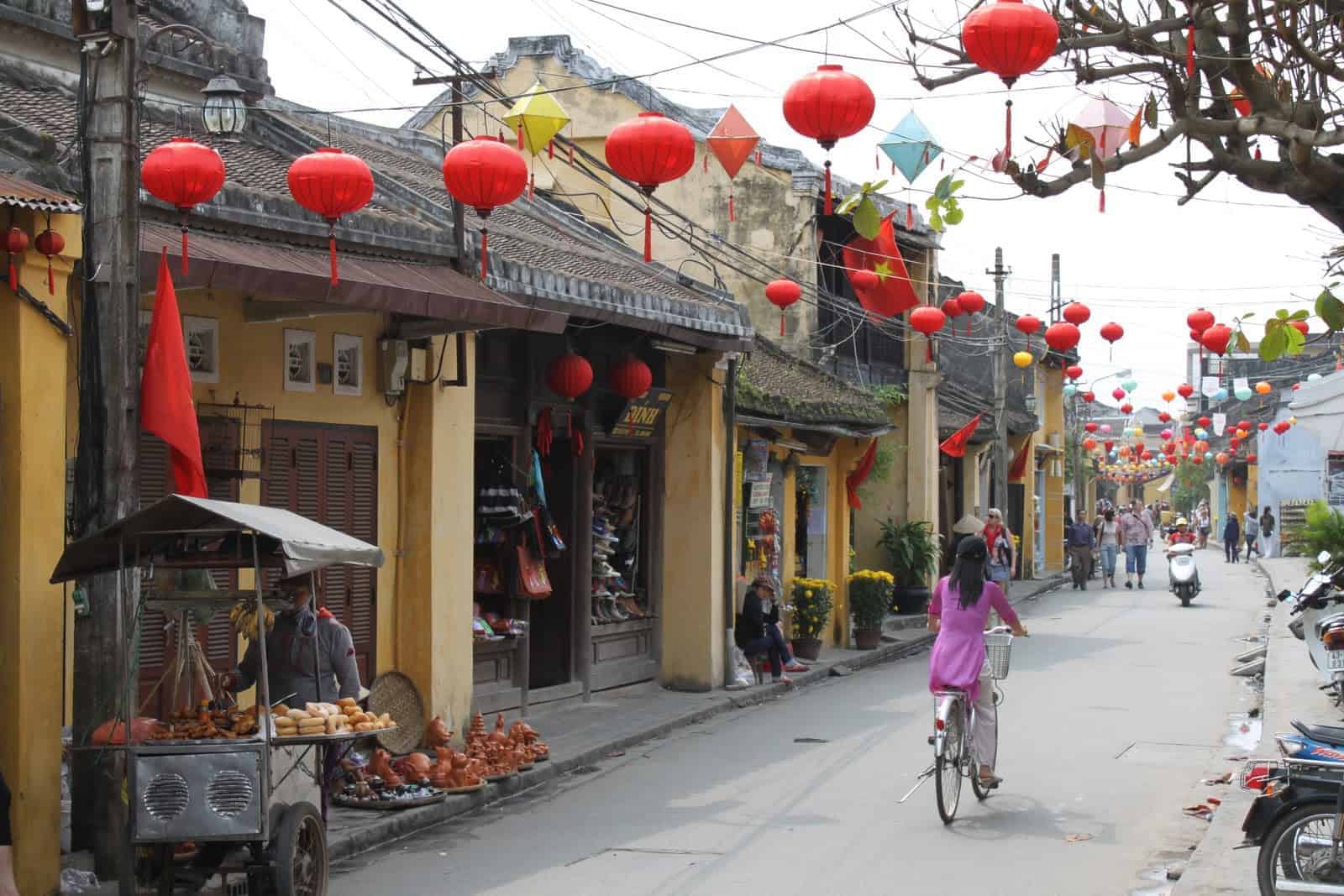
Fast forward to the 21st century and tourism is the game as visitors flock from around the world to experience a real taste of Old Vietnam. The old silk shops, cobblers, and tailors are back in business. The old coffee shops have metamorphosed into chic open-shuttered bars and restaurants. Rickshaws and bicycles fill the bustling streets; old ladies in coolie hats, carry steaming metal pans balanced on baskets dangling from bamboo rods, shouting “Pho!” (that’s noodle soup); silk lanterns in pinks, magentas, tangerines and sea-blue jostle outside the blackened teak shop fronts.
Yes, it’s touristy, but yes too, its UNESCO World Heritage site credentials aren’t in dispute. I’ve never been anywhere quite like it. The local ‘police’ move your bicycles to more suitable places if they are in the way on the pavements. There’s slap-stick street comedy and small children practicing singing in tiny rooms. It sounds cheesy but for some reason it isn’t. Cars aren’t allowed into Hoi An centre for most of the day, nor motorbikes, so the noises are all of people chattering and street vendors calling. The food is good, the drinks are cheap and the people are always smiling.
You get to Hoi An from Da Nang airport, about 40 mins away (and if that does sound familiar, you are right, it’s the old US airbase from the 70’s). Like all taxis in Vietnam, they are metered and it costs about £10. All the hotels arrange transport to meet you for a couple of dollars more, too of course.
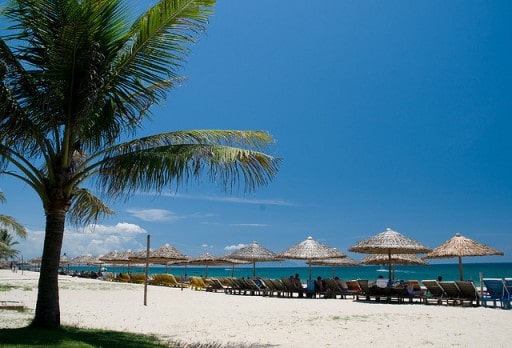
Nearby, at Cua Dai and An Bang, you’ve got world class beaches right on the China Sea and a lovely breezy warm climate. My advice is to go in February or March, to miss the rains and avoid the humid heat of mid summer.
Accommodation:
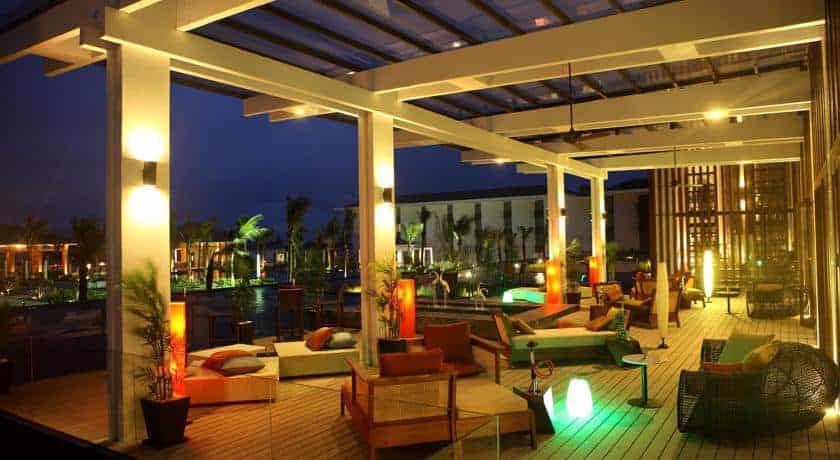
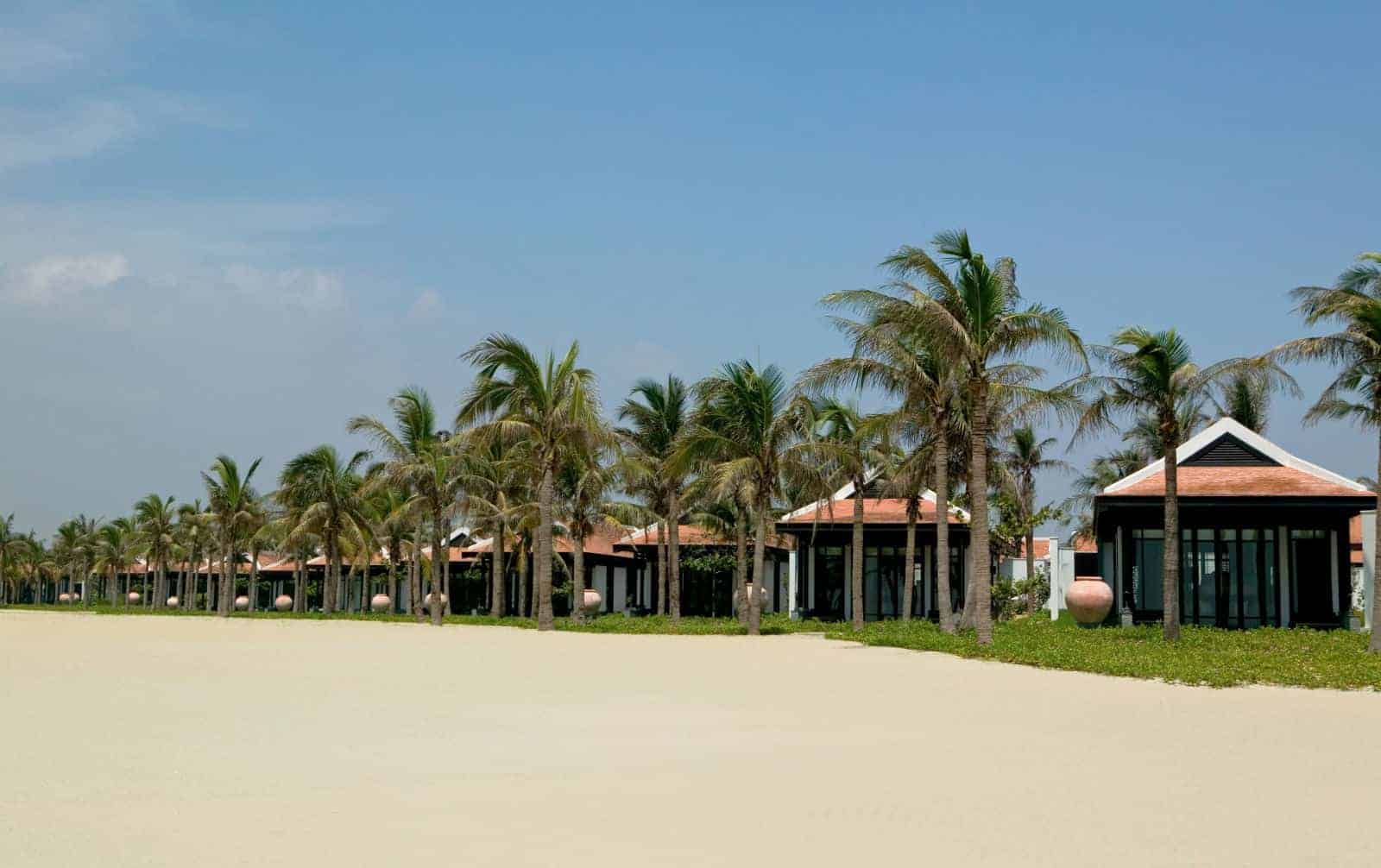
The best bet in my opinion is to sample the food and ambiance of Hoi An for a day’s outing and a couple of evening meals, but head out to the coast, 3 miles away, for the full hedonistic experience at the Sunrise Resort on Cua Dai Beach. This is a modern 5* hotel, with an emphasis on clean white lines, grey slate, privacy and space. Its fully Blue Badge friendly, completely ramped and even the non-accessible rooms are easy to negotiate in a wheelchair, with large wheel-in showers, lots of room and high beds.
There are 2 pools (no pool lift- but loads of help and one with wide easy access points). There’s a couple of great bars serving whatever you want in the cocktail line… its 2 for 1 in the Happy Hours. There’s 2 restaurants serving snacks all day and the beach restaurant specializes in local sea food and Vietnamese stuffed rice noodle parcels. There’s a spa of course, a regular shuttle bus into Hoi An, and some of the friendliest and well-trained staff I’ve ever come across. From the front desk to the gardeners everyone is cheerful, helpful and smiling.
I would recommend this hotel with no reservations whatsoever. And here’s the best bit…. we paid about £68 a night for a double deluxe on the ground floor with its own little garden space and a gorgeous one-way glass indoor enclosed balcony area, which you could open if you wanted, with a chaise longue and drinks table – great for morning coffee or post sun-bed private relaxation.
If budget isn’t an issue and you are looking for the full luxury hotel experience, then the Nam Hai Hotel, (which occupies about 1 kilometre of pristine white beach), is a great choice too. This hotel comes with beach side villas with your own butler and A Class pampering. It’s style is more reminiscent of the Imperial palaces of Hue, reflecting the old Vietnamese Feng Shui principles with beautiful gardens and food from their own organic gardens. This hotel is part of the Worldwide GHM group, so you know what sort of luxury to expect including an 18 hole golf course and reputedly one of the world’s best spas. Accessibility-wise its not perfect, but definitely workable.
Food and Drink:
At the beach resort area, unless you are feeling adventurous, the hotel bars are probably the best option. Overlooking pristine beaches in soft lighting and few accessibility issues probably trumps the local ethnic roadside bars. I’m not saying that the food isn’t good and the drinks aren’t cheap, but the toilet facilities are pretty much danger areas for everyone old and young, able or not… unless slippery floors, rickety steps and hole-in-the-ground facilities get you excited.
Once in Hoi An town though, it’s a different matter. The Vietnamese are serious foodies and are very proud of their regional culinary variations. Go for the Hoi An specialities like White Rose (a tiny soft noodle shrimp wrap served with a peanut sauce) or crispy pancakes. In Hoi An they pride herbs over everything: coriander, lemongrass, basil.
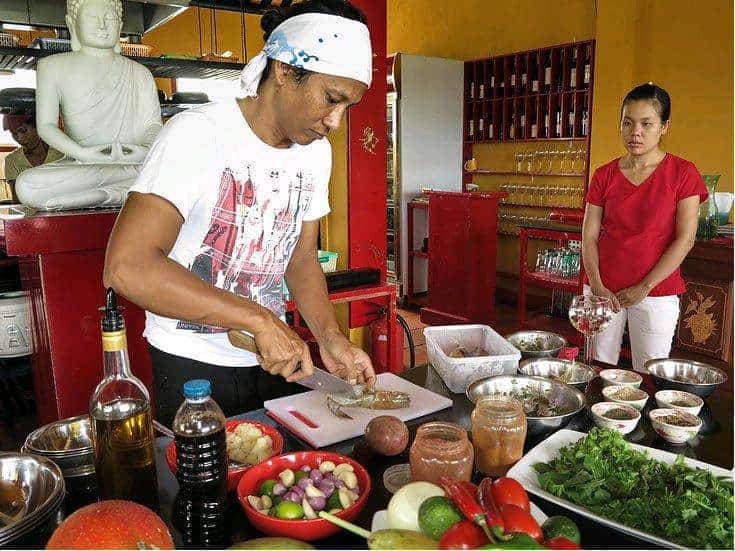
Just over the river from the main waterfront, via a beautiful bridge lit with Japanese lanterns, is Mango Mango. The owner and chef, Duc, spent time in Australia and specializes in East/Wet fusion dishes. This is the most expensive restaurant in town and it’s gorgeous, at around £30 a head + drinks. Accessibility is not perfect, but better than most in the old town.
In the centre of town, track down Morning Glory which has pared down and poshed-up local street food supervised by Ms Vy, a local celebrity chef. She’s very much a proponent of simple Vietnamese home classics. This restaurant is in one of the many beautiful old Hoi An houses, with a long and narrow layout, boasting open air central courtyards and intimate dining spaces. There are steps to get in and no ramp… but the food is great.
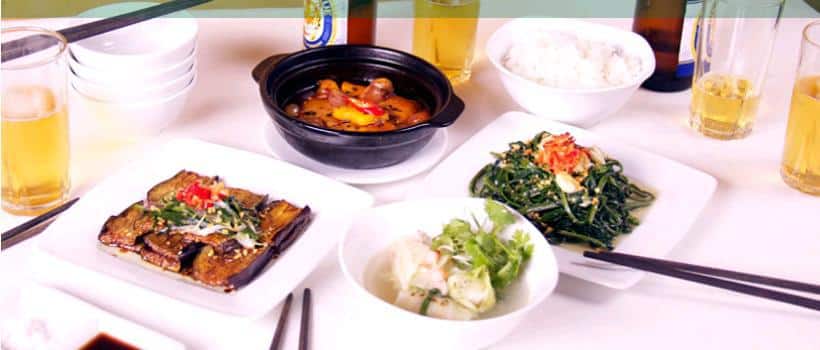
Just down from Mango Mango is Mango Rooms, another Duc venture. It suffers from the same accessibility problems as Morning Glory, but this is Vietnamese drama food worth the effort, beautifully presented. Mick Jagger thought it worth a couple of visits apparently.
You’ll need help up the steps and over the wooden frames into many places in Hoi An, but you’ll love them when you are in there. There is a palpable sense of history and pride in their town, pleasure in meeting visitors, being Vietnamese and their fine culinary tradition.