
With the World Cup just days away, we’re focusing our energy this week on getting as prepared for the summer of football as we possibly can. The World Cup tends to get the whole country going football crazy, especially when the national team does well. Although the England football team’s chances are being severely talked down, we’re quietly optimistic that they might not be as awful as we all seem to think, so we’re starting, today, with an introduction into the disabled forms of the game for all those fans who get swept up in the euphoria that tends to inevitably precede a disheartening defeat on penalties. Whether you are physically less able bodied or have a learning disability there is probably a version of football for you to play. If you’re interested in playing, the country’s favourite sport is well furnished with ways of finding out about the disabled forms.
In England, the Football Association is responsible for running the game from the top leagues all the way down to a local level. The FA used to have an image of only really caring about the able bodied men’s team and putting little effort into aiding anything that didn’t directly affect the main national team. However, these days things are different and the FA seems to be working to get everyone playing the game and is genuinely supportive at all levels of the game. Although producing the Rooneys and the Gerrards of the world are what the FA will ultimately be judged on, they appear to be working hard to promote disabled football too. For instance, they recently matched the UK Sport investment in blind football by making a £1m investment of their own over four years leading up to Rio 2016 and there are now eight England squads for different impairment groups.

In 1999, the FA set up the Football Development Department, which led to the development of the first national disability football programme. About ten years later, the FA’s Ability Counts programme set up Regional disability football leagues which provide disabled footballers with the opportunity to play regular competitive football. Season 2010-11 saw the move from regional disability football leagues to county leagues. Although some regional leagues still exist, 34 County Leagues have now been established. It’s clear that over the last decade or so the FA has been doing more to get more people of different ability levels to take part in football.
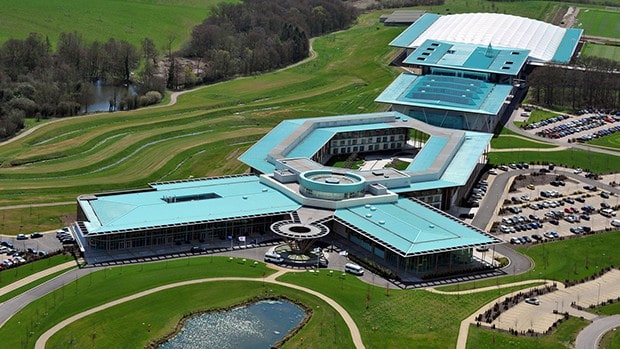
As keen football fans will know, in recent years the entire make up of the FA has undergone something of an overhaul, with the main symbol and product of this being the foundation of the St George’s Park training complex. Ostensibly established as part of the FA’s desperate efforts to provide a new generation of young able bodied Englishmen who may go on to one day win the World Cup (or at least learn how to win one solitary penalty shoot out), the complex has provided huge benefits to less able people and allowed them to improve their games. The different impaired squads all use the facilities there and the Cerebral Palsy World Cup Finals will be held at St George’s Park, next June.
There are many different categories of disability football, making the game more accessible to everyone than ever. There are versions of the game for people with Cerebral Palsy, amputees, visually impaired, hearing impaired, people with learning disabilities and wheelchair/powerchair users. Many of these different categories play together in mixed pan-disability groups and others may take part in able bodied leagues too. The best place to find out about what impairment group you would personally fit into and where to find local clubs is the wonderful Disability Football Directory. We’ve covered many different sports in the BBS Sports Blog but this is quite probably the finest of these type of directories we’ve come across. It’s easy to use, informative and well organised; we highly recommend it!
Quickly running through a few forms of disabled football and how they work, amputee football is normally played without prostheses and using elbow crutches, although people who feel uncomfortable doing this can use prosthetic legs. There are only a handful of Amputee specific clubs around the country with many amputee footballers playing with Pan disability clubs in the regional ability counts leagues. In America, Nico Calabria, a disabled footballer who plays for his local able bodied team, has become an internet sensation after this video of him scoring a spectacular ‘Zlatan-esque’ volley went viral. Shows you don’t need two feet to be a demon in the penalty area.
The England Cerebral Palsy football team were featured on Football Focus towards the end of the Premier League season and are looking forward to hosting the CP World Cup next year. People with Cerebral Palsy who play from a standing position tend to belong to Pan disability football clubs and play to national FA rules (subject to local league or competition variation). For CP specific games and at international level, a seven-a-side version of the game is used, utilising a smaller playing area and reduced sized goals. Those who use a wheelchair or power chair play wheelchair football.
Wheelchair/Powerchair football has taken a little longer to catch on in the UK, probably because it takes a little more to adapt it from the able bodied version of the game. The rules, though slightly different – with 4 players on a team and only one defender being allowed to tackle at a time – are easy enough to adapt to. But the main issue is that specially adapted power chairs and a specialist 13 inch football are needed to play. As a result, finding somewhere with the equipment you need to play is tricky and requires organisation – jumpers for goalposts it ain’t – but, if you’re keen, never let that hold you back. The Wheelchair Football Association has set up clubs and you can find somewhere to play on their website. There are also football clubs for visually impaired people which again needs modifications to the field of play, equipment, numbers of players, and other rules as required to make the game suitable for the athletes, but it’s well organised and is even a Paralympic sport.
Finally, hearing impaired players can join teams which participate in the British Deaf Football Cup, The English Deaf Cup, and the Scottish Deaf Cup. However, deaf teams also compete in mainstream football leagues around Britain and generally can compete on level terms with other teams (as long as the referees actually agree to wave flags to signify a tackle rather than blowing a whistle that nobody will hear!).

Disabled Football in England has come a long way in recent years and it’s been noticeable, through the amount of promotion that the various forms of the game has had in the press and on TV lately, that the FA is really trying to push it on another level. Yes, there’s still some way to go before football as a whole is played and enjoyed on a level playing field – the disabled facilities at Premier League grounds recently came in for a great deal of criticism following a report which found that only 15% of clubs provide sufficient space – but without wanting to ignore the negative, we want to celebrate the positive steps being taken.
Part of the reason that football has become the world’s most popular sport and why the world will be watching on as the world’s best battle it out in Brazil, is that the game is so simple and so universal – all you need to play is a ball and some jumpers for goalposts. Although some disabled people may need a little more than that to play, the set up is there and because of the work being done to organise disabled football clubs, the game is becoming truly universal for everyone!
For more information on how to find the easiest way to get involved, try out the Disability Football Directory website, a good place to find out more about all forms of disability football.