
On the face of it there’s nothing about the new ‘time travely’ X-Men movie that would pique our interest at Blue Badge Style. With its dodgy costumes, baffling time travel plot and generous applications of blue body paint, it just seemed like another new blockbuster superhero film for another weekend at the cinema. We were, however, wrong about that; from a disability perspective it was much more than that and there were several aspects of X-Men: Days of Future Past that we found rather intriguing.
The first thing was that Peter Dinklage, best known as Tyrion Lannister in Game of Thrones, plays a major role in the film, starring as evil scientist Bolivar Trask. It’s great to see a less able actor in a mega budget film but what was even more remarkable to see, was that throughout the plus two hour running time not once was there any mention of his size. How fantastic, but annoyingly rare, to see that a less able actor was in a major movie purely because of his talent. Fans of Game of Thrones will know that Dinklage is a phenomenal actor, so it’s brilliant to see he’s not being pigeon holed. It would be great to see this trend continue.

The other thing that caught our attention in the X-Men world was the character of wheelchair using Professor X (played by James McAvoy in the past and Patrick Stewart in the future). McAvoy’s character is the centre of the storyline as he struggles to accept that he needs to use a wheelchair. It’s no spoiler to say that eventually Professor X does embrace the chair but what’s so powerful about it is that he does so not because of a weakness but because it makes him stronger (and any more detail on what we mean by that probably would lead to spoilers). This was a positive message from a movie franchise that has actually quite consistently had a central theme that people should be proud of being different, rather than shying away from it.
In the future timeline of the movie there was also the rather more frivolous question of where Patrick Stewart’s Professor X had acquired his hover chair? How did it work and when can we get one? It started us thinking about what futuristic assistive technology may realistically be available now or soon. It turns out that, although it’s unlikely that we’ll be gliding around in wheel-less wheelchairs any time soon, there are lots of developments going on right now which suggest that futuristic gadgets are nearer than you may imagine.

Hover chairs may not be on the immediate agenda, but designers and engineers are finding other ways to tackle the main problem for wheelchair users (and daleks alike): stairs.
One cool example is the iBot Stair Climbing Wheelchair. Created by Dean Kamen, using self-balancing technology similar to that found in the Segway, the iBot can manipulate its many wheels to tackle all types of terrain and even take on stairs. It’s not yet in production but is a positive sign for the future. 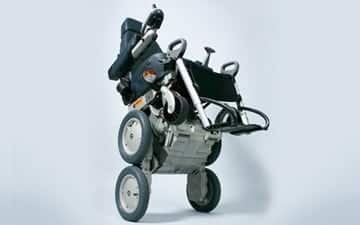
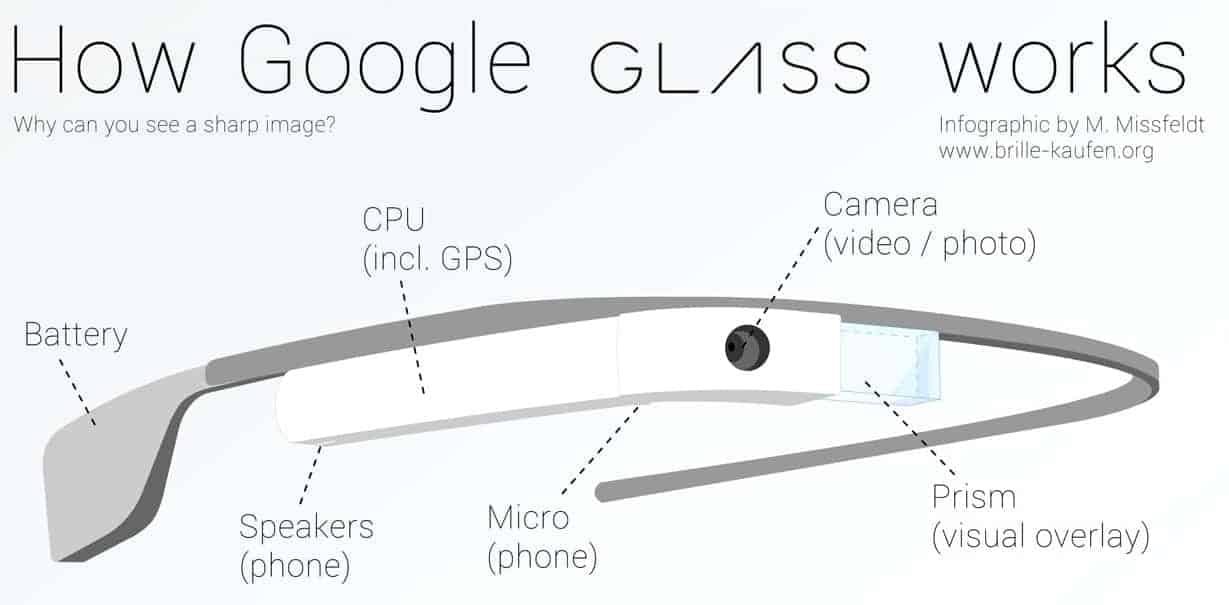
By now most people have heard of the Google Glass, but perhaps not everybody relates them to helping the less able, thinking of them as just being expensive toys. But these sci-fi specs can be immensely useful for less able people with physical mobility impairments to access all kinds of information by voice control.
Glass users can send texts, read email, take photos and gain directions from the small screen that sits in front of the right eye. These functions are activated by the user tapping the glasses legs or saying out loud “OK Glass”. They can then toggle through functions using the voice-activated operating system. These seem like functions which could be tailored to aid people with all sorts of disabilities and because of this, we’ve been following the developments of Google Glass and other ‘wearable tech’ innovations. Maybe not as cool as Cyclops’ laser eyes, but certainly more useful.
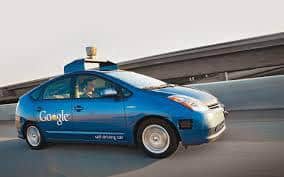
Another futuristic Google project is their plan to create Driverless Cars. Using a laser on their roof, these vehicles can generate a highly detailed 3D maps of their surroundings which can be combined with a variety of road maps, that Google produce, to allow the car to steer itself. The system has been tested on Prius and Lexus models of car and last year engineers claimed that the self driving cars are now safer to use than having a human driver. Google has no plans at the moment for when to commercialise the driverless car system but several US states have already passed laws to legalise autonomous vehicles.
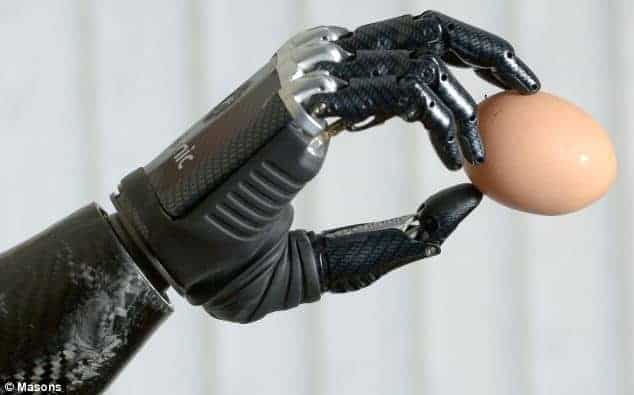
The world of bionics and robotics is more advanced than you may think. Present day bionic prostheses can replicate the actions of human arms and legs in great detail. With these prostheses now being so much more than just ‘fake arms’ you can use them for tricky dexterous tasks like tying shoelaces and can control them through thought. Robots are perhaps a little further from reaching the science fiction ideal/nightmare that we have had of them but simple humanoid robots are being created and robotics is being used for all sorts of other less glamorous tasks.
One thing is for sure, with bionics near to surpassing human limitation and robotic advancements occurring so quickly, we are approaching serious ethical questions. As so many films, including the new X-Men, have foreshadowed, we may need to be careful what we wish for…
Exo-Skeletons are almost a hybrid of robotics and bionics, where you attach yourself to a kind of robotic walking system. We recently saw the Rex Bionics robotic exoskeleton being demonstrated by Sophie Morgan at Naidex. It’s a standing machine that allows you to ‘stand, walk, sit, turn..Step in any direction (and) navigate stairs’. It’s pretty extraordinary but the £90k price tag is steep to say the least. 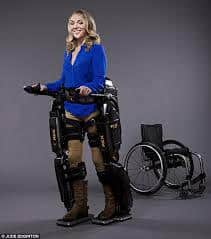
Finally, Cochlear Implants are surgically implanted electronic device that provides a sense of sound to a person who is profoundly deaf or severely hard of hearing. The surgery recently went viral when a moving video of a woman hearing for the first time was put online. It’s an extraordinary procedure, bringing sound to people who have never heard before in their lives.
There’s a lot going on in the world of assistive tech, it’s just a case of when, not if, all these developments become mainstream products for less able people. As we said, Professor X’s hover chair may not ever come to reality but, in many other ways, the days of future are coming fast and like any X-Men movie, that’s extremely exciting.