
Every industry seems to have its own small part of the year that’s devoted to ‘awards season’. Rather than spreading out the accolades throughout the year, we get a concentrated span of time during which the majority of it all happens at once. This particular time of year is when the world’s best designers take their turn to recognise truly brilliant and innovative design and the resulting award exhibitions are a great place to find out about the latest developments in mobility and inclusive design. In a very brief time many of the most renowned design awards take place including the iF Awards and The Design of the Year Awards.
Amongst the most prestigious of all are the Red Dot Awards. These international awards from the Red Dot Design Museum in Germany, award a few hundred of the best designs in three categories (communication, product and concept – for mobility design we’re interested in the latter two of these) At the moment, news of 2014 winners appears to be slowly dripping in and there isn’t yet a completed list of the successful designs. This means that, before we look at 2014’s field, we have a good chance to remember last year’s Red Dot Winners.

We’ll start off with the 2013 Product Winners that had an eye on mobility and inclusive design. These are actual, ready to buy, designs which have been recognised, as opposed to the concept designs, which we’ll come on to later. Let’s take a look at the three Red Dot winners that fit these criteria.
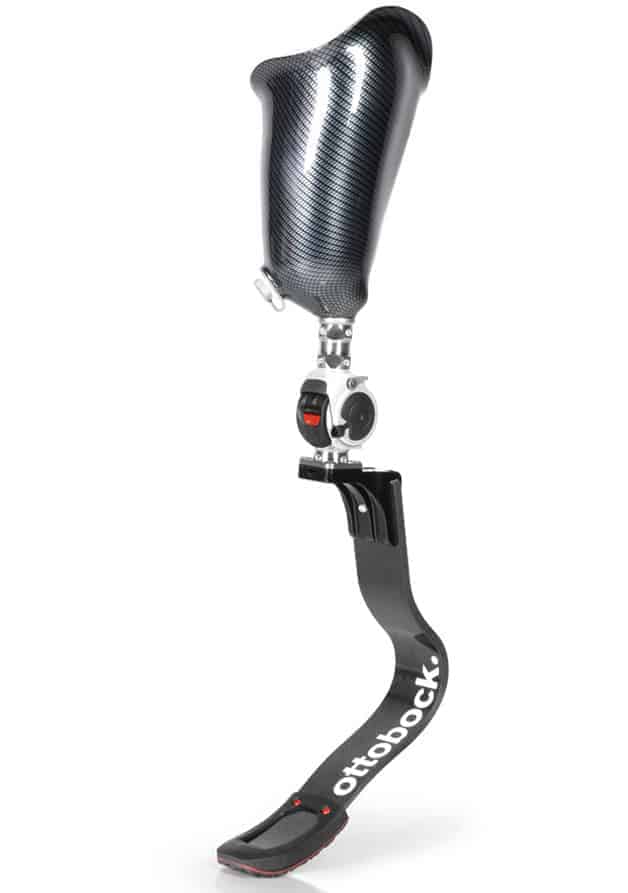
Ottobock Sport Prosthesis – one of the biggest players in the mobility market, Ottobock were bound to crop up. This prosthesis is tip-top of the range, cushioning the running movement and providing maximum energy return. It also has a really athletic look, looking sleek and streamlined.
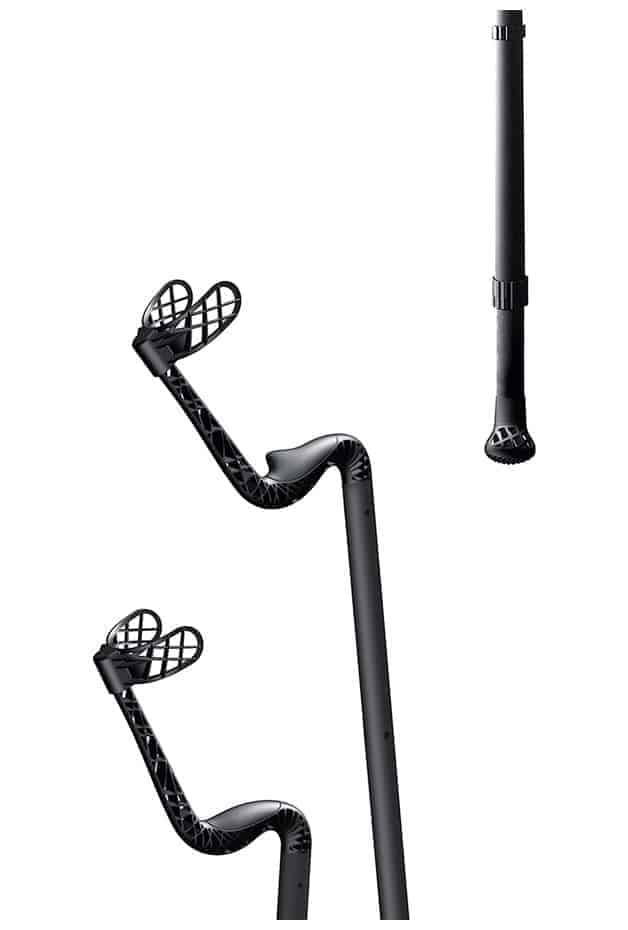
GANYMED walking aids require less energy input than conventional crutches. Its S form structure decreases energy expenditure without you losing the ability to see the bottom of the crutch touch the ground. Using the latest materials it’s really strong but also extremely lightweight. They’re innovative, adjustable and really stylish too. You can buy them from their German website and have them posted.
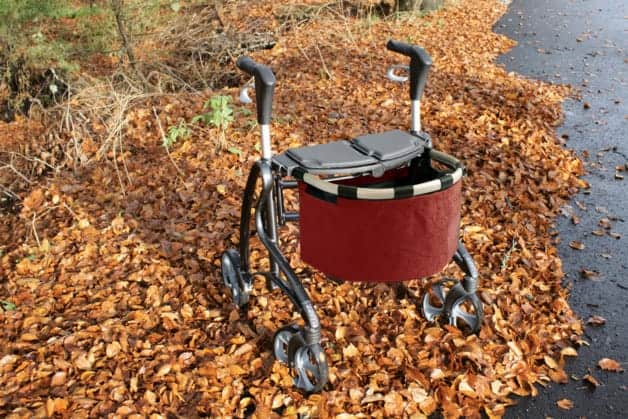
The Dolomite Jazz is a stylish looking rollator – something that until recently we thought of as a contradiction in terms. It’s fairly low key and discrete, thanks to its lightweight design and integrated braking system which removes loose parts that could catch on surrounding objects. It has a wide frame for stability but can fold up for storage. It’s minimalist, dynamic and looks like a real upgrade on most rollators.
Those were last year’s product winners, all of which were and remain available to buy. But, as we find with many of the more innovative mobility designs, a lot of the most interesting ideas at the Red Dot Awards were found in the concept category. As is so often the case, these really cool designs have not been put into production.
One such design is the Slide Wheelchair concept which looks very slick and futuristic. The designers believe they’ve solved the problem of independently getting into and out of wheelchairs. The user enters the chair by grabbing the handles, putting their legs on the saddle, and pulling their body to slide onto the seat. The designers questioned the need of wheelchairs to be shaped like conventional chairs and decided that this approach, in which you lean forwards rather than sit backwards, would give more independence to users and particularly appeal to younger wheelchair users. It’s hard to tell from graphically rendered screenshots, but we would be slightly worried about how comfortable it would be to sit in all day.

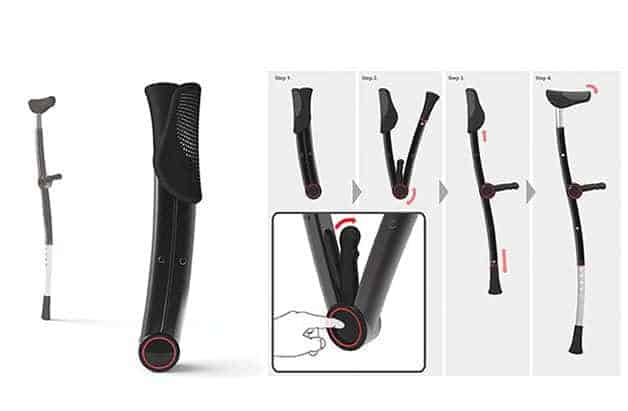
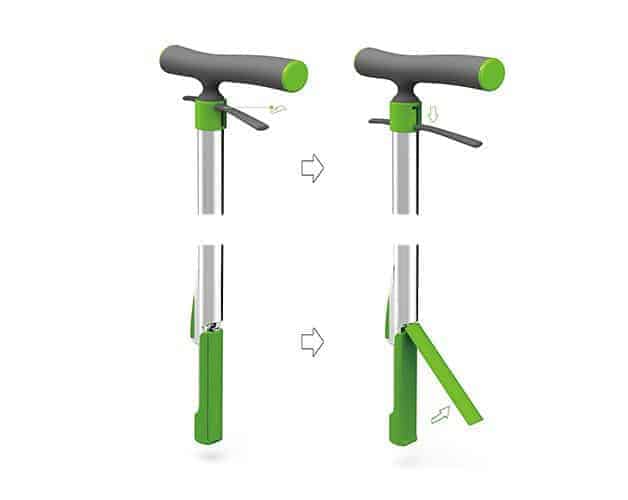
We’ve had numerous people ask us where they can find folding crutches and it’s an area of assistive design that has been oddly under-served. The advantages of walking aids that can be reduced in size for easy storage and transportation are clear but the only stylish models we’ve come across are from The German Crutch Company and Arbin Quickstep crutches. So it’s good to see this trendy Folding Crutches concept in the Red Dot exhibition. They’re compact, adjustable and look supportive. They’re perhaps not quite as innovative as they think but a good addition to the folding crutch market if they were to be produced.
Unlike the Folding Crutches, this Clamp Stick does something we’ve not come across before and adapts a clamp device into the end of a walking stick. It’s a simple but effective idea of the kind that makes you wonder why nobody thought of it before, or at least why nobody’s carried out the idea in a stylish way.
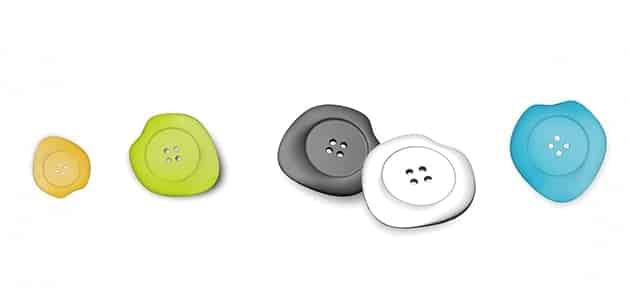
Easy Buttons are a concept for ergonomically designed buttons which would be easier for less able or elderly people – who tend to have reduced dexterity. One side of the button is thinner and is slightly angled upward to allow for a better grip. The button has a concave shape so it can be more easily pushed through the buttonhole. Another simple but useful idea and the buttons look like they come in some cheerful colours too.
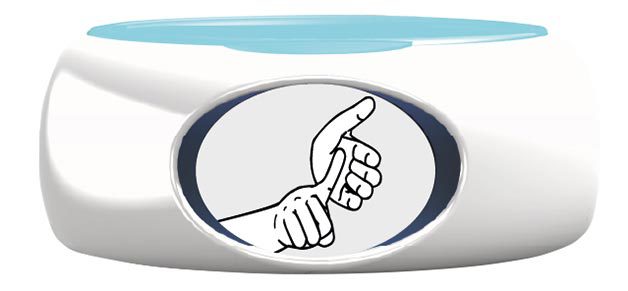
Smart Sign Language Interpreter is very futuristic idea – a wristband device that makes use of an EMG sensor, a gyro sensor, and a distance sensor to decode hand signs and make communication between hearing impaired and non-hearing impaired people easier. When a hearing-impaired person uses signs to communicate to a non-hearing-impaired person (who can not use sign language), the signs are tracked, converted into voice or text data, and sent to the recipient’s smartphone. The device also contains speakers that can transmit the voice data directly.
When a non-hearing-impaired person speaks to a hearing-impaired person, their voice is converted into text by the device, and displayed on its built-in screen. The text can be converted into signing diagrams. It sounds almost too good to be true and for now, from a practical point of view, it is just that.
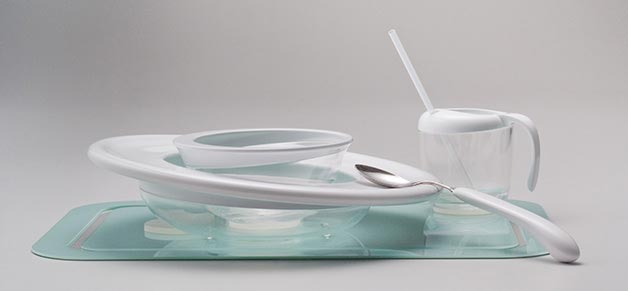
This range of dining products, named the Benefeat range, are designed to be a tableware set for adults with cerebral palsy who are concerned about the social stigma attached to using assistive products. They’re all easier to use and don’t look as clinical as other similar products (especially once you take them out of the all white background used in the pictures).
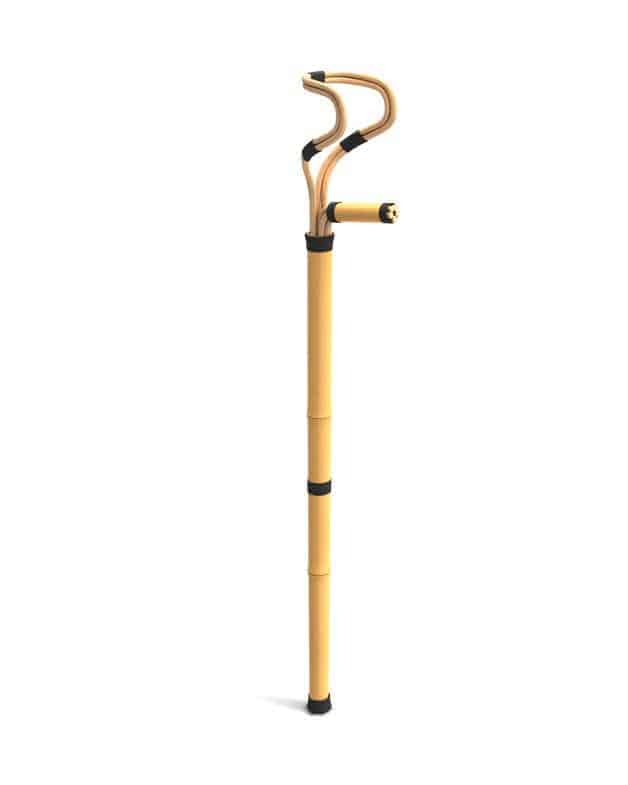
This crutch is a concept for a strong, adjustable mobility aid to address the problem of providing such products in Africa. It’s made from bamboo, rattan and parts of old bicycle, making it easier to build in Africa and other developing countries. It’s a clever way of bringing safe, stable and affordable mobility products to Africa.
That’s the end of our exhausting run through of last year’s Red Dot mobility designs. Some great products and concepts involved. We’re looking forward to seeing what 2014 has to offer but are going to need to go for a rest before then!