
In yet another development showing how effective 3D printing could be for aiding the less able, researchers at Cambridge have successfully printed adult nerve cells for the first time. The development could, they say, be used to print eye tissue and become an “aid in the cure for blindness”.
With this incredible new technology, 3D printers are now able to print individual cells using technology that goes over most people’s heads – including our own – but we will endeavour to explain it with the aid of the scientists involved and Dezeen Magazine.
Keith Martin told Dezeen: “We’ve demonstrated that you can take cells from the retina and you can effectively separate them out. These can be put in an inkjet printer and we can print those cells out in any pattern we like and we’ve shown that those cells can survive and thrive.”
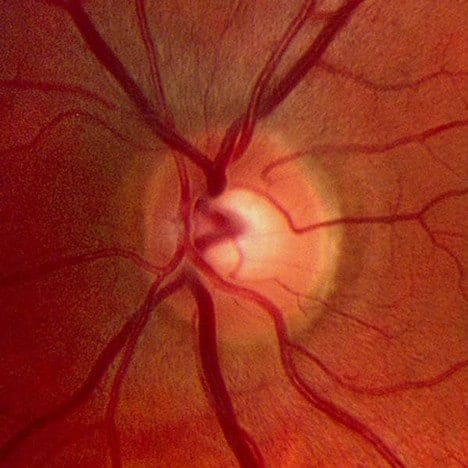
So far, they have been able to print a layer of nerve cells and a layer of support cells. The next step is to print multiple layers to form the full multi-layered 3D makeup of the retina. This could be done either by engineering a retina on a synthetic membrane and implanting it into the eye or by developing tools that would allow the printed cells to be sprayed onto the back of the eye.
The big thing to take away from all this is that 3D inkjet printers could actually print living retinal cells! Quite an extraordinary development. So far the cells created have been limited to rat cells but the method used to replicate nerve cells suggests that it could well be used to print human retina cells in the future.
As we’ve highlighted in the past 3D printing is a remarkable new technology that looks set to transform less able lives. With the capacity to print objects from scratch, 3D printing will provide the opportunity to build prosthetics, walking aids and even robotic parts very cheaply, extremely quickly and tailored to individual needs.
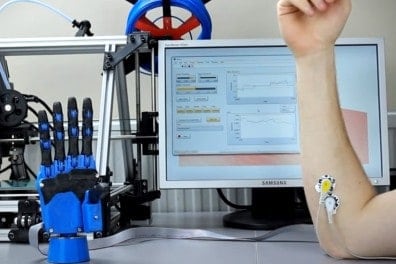
We knew that these tools, which will mostly aid those with mobility impairments, were coming but now the potential new ability to cure blindness is taking 3D printing to another level. A new side to the New Age of Disability?!