
The New Year is now one week old, so for all of us who resolved to be more healthy in 2014 it’s really is time to put our money where our mouths are. For a couple of reasons, this year we’re thinking of taking a slightly alternative route and taking up slightly holistic fitness regimes like Yoga and Pilates.
For one thing they have a little bit more of a stylish lifestyle choice feel about them. Plus we already know that, by and large, the state of access in most gyms is enough to put many less able people off of their New Year’s Resolutions before Burns Night (more on this topic to come soon!). But the factor that swings us towards Yoga and Pilates it is that we have a more positive history with them – we’ve never tried these alternative exercises before so we’ve never quit them either!
You may have seen pictures of people in ridiculously contorted Yoga poses that make you a) worry that they’ll be stuck there forever and b) think to yourself “there’s no way I could ever do that” but you’d be wrong. Both Yoga and Pilates can be adapted to suit any individual taking part. In fact, one reason that these forms of exercise are so good for people with reduced mobility is because as well as helping with your flexibility, they’re flexible in their own design. You can build your own workout plan to fit with your level of mobility.
So, here’s a quick introduction to these forms of exercise. We won’t explain too much about what they are – it’s 2014, we assume that most people know what Yoga is – but we will try to shed some light on how and why they could be ideal workout methods.
Local gyms often have special Pilates and Yoga classes for less mobile people (or at least that’s what we’re told) or you can try to book a one to one session. The English Federation of Disabled Sport has a list of inclusive gyms, some of which have classes, but most people will need to do some research around their local area. Once you’re directed to your nearest inclusive gym it is, unfortunately, really just the start of your journey. Finding out more details about their access, from there, is normally still a bit of a mission.
Whether you use a nearby gym, specialist studio or one to one lessons at home, Pilates is an effective exercise method for less able bodied people. It has origins as an exercise technique used for recuperation and to help against ill health, so it is naturally a good form of exercise for less able people. It is particularly ideal for people with MS or walking disabilities to improve balance, leg strength and walking ability.
It’s a good way to help build that all important core strength but also does more than that,strengthening the whole body. It’s low impact, stretching the muscles and pulling them into a longer and leaner shape, rather than forcing them to tear and rebuild in a shorter and thicker shape, so you don’t really have to worry about over exertion. It also helps to develop concentration and coordination as you work many muscles at the same time.
A good resource for finding local Pilates classes is Pilates Near You, which allows you to filter your search to your own personal requirements. You need to find the right instructor or class because safety is paramount, so it is important to speak to your doctor or physiotherapist beforehand (they may well be able to recommend someone themselves!) and to work with a fully trained instructor, preferably on a one to one basis.

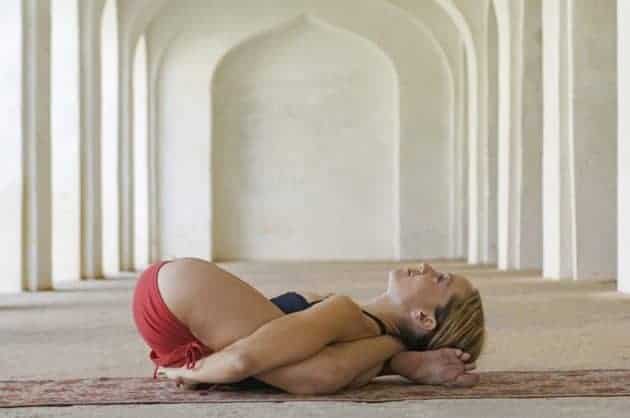
Both Yoga and Pilates involve making a series of different positions with your body to stretch and control your muscles. To the untrained eye, there quite similar except that some Pilates classes can involve using apparatus whereas with Yoga the most equipment ever used is a Yoga mat. But there are further differences…
The biggest difference, more than the shapes being different, is that Yoga has more of a spiritual, mind and body element to it. This more spiritual approach, with a focus on breathing and relaxation, means that Yoga helps to improve flexibility, posture and body strength, whilst also reducing stress. It can be, depending on what extent you want it to, a whole lifestyle as much as just a way of keeping fit.
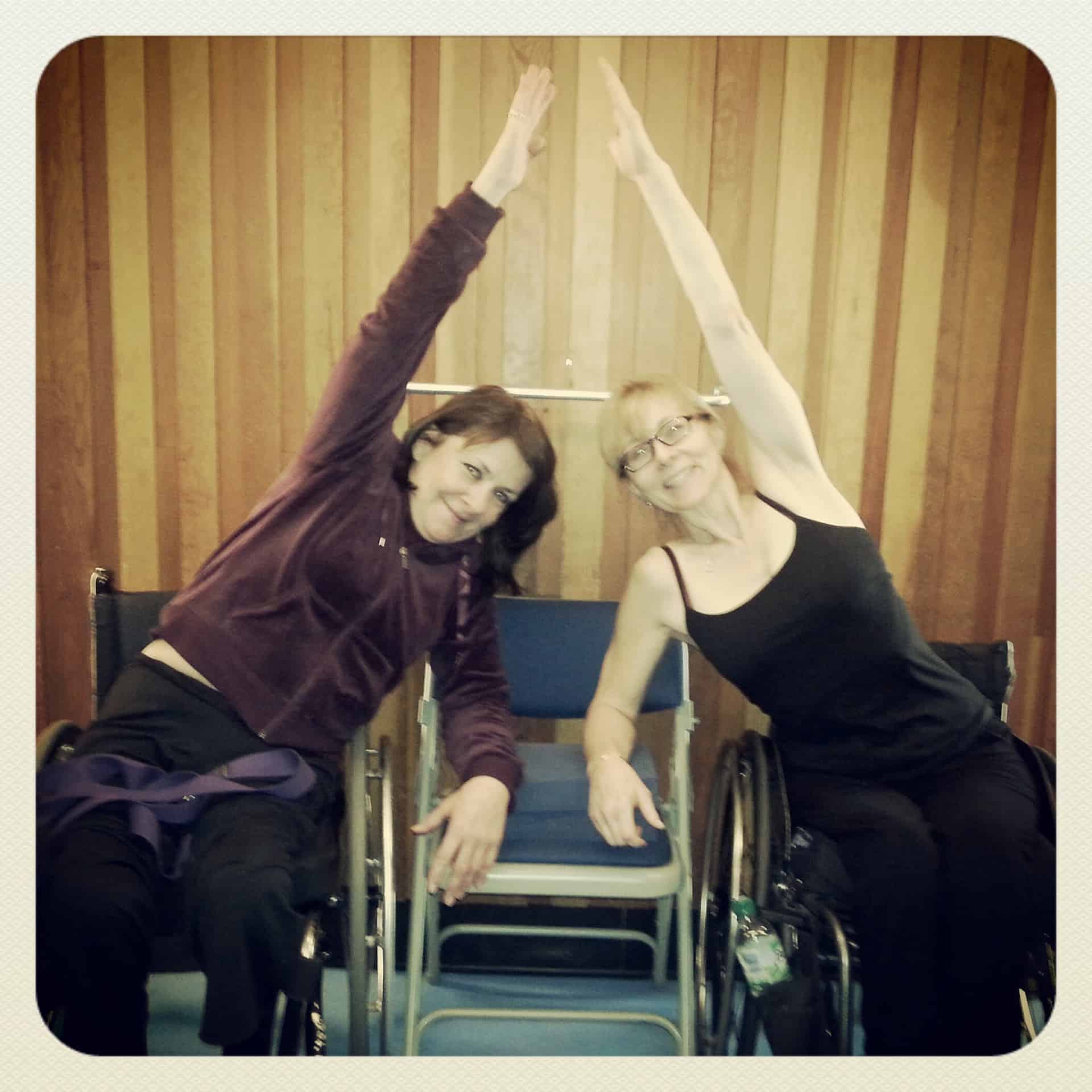
Each pose can be modified or adapted to meet the needs of the student. Yoga asanas can be performed while seated in a chair or wheelchair. In a yoga class for individuals with disabilities, yoga asanas are modified or adapted, and may be performed with the instructor’s active assistance as needed.
As with Pilates, finding the right teacher is key for less able people looking to improve their fitness. It’s important to have a teacher who understands the best way to adapt movements for individual needs. You can also check with a doctor or physiotherapist to find out if there are any movements to avoid.
There is website for finding Yoga classes which is very similar to that for Pilates and again you will want to check they are trained to adapt the classes for you. Also check with your GP. Alternatively there are some specialist adaptive Yoga classes, for instance at Westway in London (we know there must be many more out there). It might be preferable to taking part in a larger class of able bodied people or paying for one to one lessons. We haven’t seen any more of these but if you know of any please do get in touch.
Yoga and Pilates are two brilliant alternative fitness programmes for the less able – they’re flexible for all abilities and they make you flexible too. But as a final point, for something that is not so much a way of keeping fit but still an alternative way of keeping healthy, we’d recommend acupuncture. We’ve said before that acupuncture can be great for general well being and certainly fits in with our alternative ways of getting healthy in 2014. It has its doubters but it’s really helpful for swelling and well being. Find your local acupuncturist here.