
At BBS we focus more on the destinations (the venues we review) than the journey to get to them but public transport is still a real bug bear. It’s just lagging behind in terms of access and we know that a lot of our readers agree. Let the rant commence:
It’s frustrating to have to plan so far ahead whenever you want to go somewhere because you know that the access won’t be good enough to just turn up and get on board like anyone else would be able to. The level of planning for a less able journey compared to an able bodied journey on public transport is staggering. A daily journey’s tough enough but trying to go for a spontaneous day out is a nightmare.
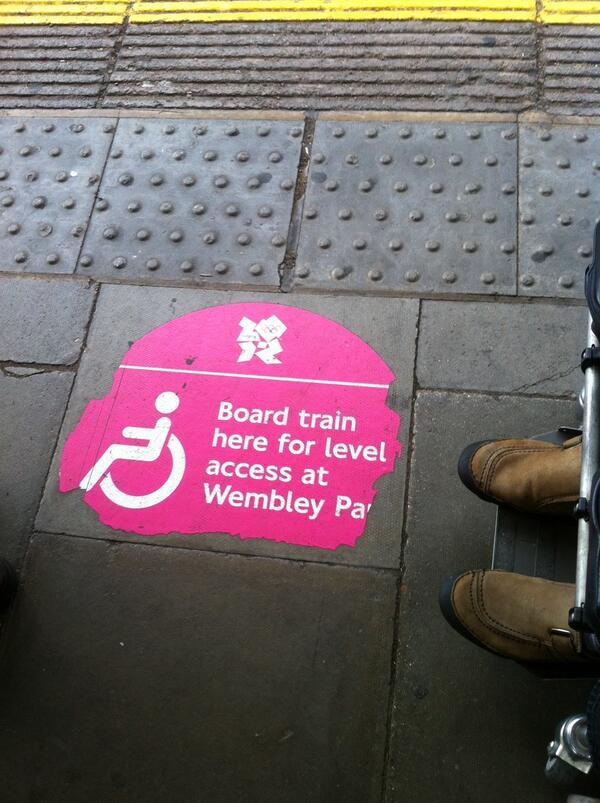
You have to make sure everything is in the right place at the right time, often including needing somebody on the platform to put a ramp down for you. This can take a while to do because apparently station staff need extensive training to put a piece of metal down to help you onto a train. It’s not rocket science.
Stairs and escalators are still a problem that people in charge of public transport seem not to understand. The belief that less able people can all use escalators leads to incidents such as one we’ve been told about at London Bridge tube station which has a clever winding ramp. It twists and turns around to avoid the stairs; the problem is that once you get to the end of it you’re at the top of the escalators – not great for wheelchair users.
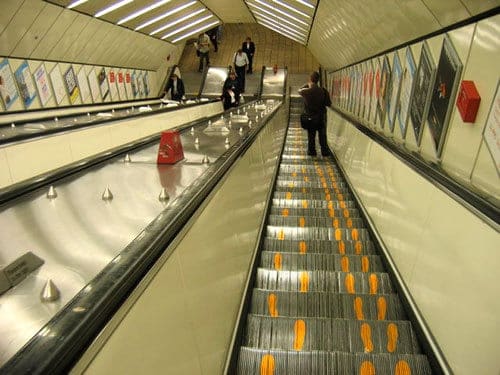
The London Underground, with its long and winding passages and many stairs and escalators is particularly hard to access. We know that TfL are trying to improve things and have started asking disabled people to help them identify problems but the number of fully accessible tube stations is still very low. We even posted a story on our Facebook page the other day about how, since the Paralympics, ramps have actually being taken away at Kilburn tube station.
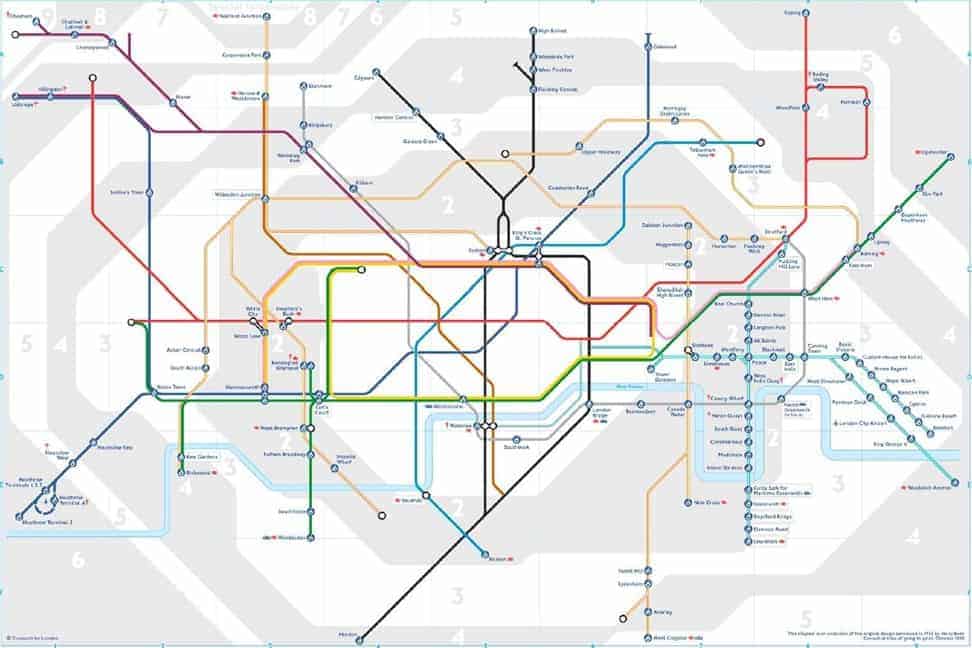
The map below shows what the tube map would look like if it only had the accessible stops (as of 2011 – there have been some, though not many, additions since then). It’s not a great image of accessibility; improvement is needed. But will they take place anytime soon? You have to be a little sceptical – there have even been suggestions that even the brand new Crossrail won’t be entirely accessible.
But our problem with public transport is at much about attitudes as it is about accessibility. We find that perhaps the worst thing on public transport is the a lack of respect from other passengers (look out tomorrow for the details of how many disabled people have been abused on public transport!).
Take the wheelchair spaces on buses as an example. More often than not the space will be being used when you need it. That’s OK when it’s a pram (as long as they move for you) but the space shouldn’t be being used for people’s shopping! The bigger issue is when people don’t move out of the way. It’s now legally accepted that people have to move everything for wheelchairs but this isn’t always what happens – as we saw in the shocking Weds Wrap story a few weeks ago.
We think that public transport is a real pet peeve for many less able people. It’s getting better generally but it’s still such an aggravation and far from being equal. We have a suspicion that it is going to find itself on the BBS Bonfire on Tuesday! Obviously we can’t get rid of public transport totally – people need it to get around – but we’ll let the bad accessibility burn!
What do you think? Is public transport up to scratch or too far behind? Would you add it to the BBS Bonfire and what else would you put on if not/as well?
Hello,
Your comments about the tubes system totally justifiable. Have you tried traveling to stations in and around London using the surface line?.
I’m very lucky, I can sort-of walk and my mobility scooter is very light (18KIg) and people are prepared to carry it up and down steps for me. None the less traveling in and around London & the suburbs is a nightmare
What is the situation in other cities in the UK?
Thanks for your comment. Surface lines do require a lot of planning as platforms are not all accessible. Ad hoc travelling is not possible! But the companies are trying and in London at least there is an arrangement that if you cant use a station they will pay for a cab to take you to the next accessible station. I find by the time i’ve arranged all this i might as well get a cab all the way – expensive but quicker & less stress.