
Perhaps, you might think, the end of October is not the best time in the world to decide to write a post on how less able people can take up surfing. You’d have to be extremely brave to start surfing in the bitterly cold, windy and wet weather we see at this time of year, but then again you still need a bit of bravery to surf even on the warmest of summer’s days – it’s not called an ‘extreme sport’ for nothing. If you are courageous enough (or perhaps foolish enough?) to be interested in stepping into the sea now or indeed if you want to take a more sensible approach and just keep this information for some time next year, here’s the ‘411’ on disabled surfing.
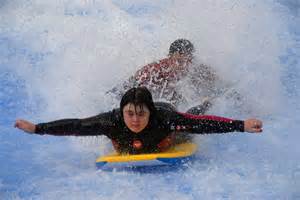
The history of disabled surfing, particularly in the UK, is still quite young. The oldest specialist disabled surfing organisation we’ve come across was only established in 2006. Initially schools focused on getting people with autism, cerebral palsy and Down’s syndrome onto the water but since then the intake has broadened greatly to include muscular dystrophy, Huntington’s disease, MS, spina bifida, blindness, amputees and paraplegia.
Using one on one coaching sessions in the shallows, with well trained coaches, has helped with the safety issues. Those methods, along with some subsidies, have opened up surfing to the less able. It’s enjoyable, sociable, healthy and, depending on who you ask, may be a good form of psychological therapy.
There was some debate over the last point when ex-British soldiers claimed that surfing had helped them with PTSD. Soldiers coming back from the Gulf War with PTSD or injury were among the first to try out surfing as therapy and the Surf Action group, which provides support through surfing to military veterans and their families, has been influential in its rise. At the time here was no real science to explain their suggestion although tests have been carried out since. They relied purely on the fact that since they started surfing their collective condition had improved. They argued that if surfing helped in practice who really cares about the theory behind it?
Dr Mathew White, senior research fellow at the European Centre for the Environment and Human Health (ECEHH) in Truro seemed to disagree with that when he said a lot of the evidence of the benefits of surfing was “anecdotal”. He said: “Is it being in the water, is it the physical activity, is it the quality of the coaches, is it any better than art therapy, horse riding or sitting at home watching England beat Ukraine while drinking a beer?”
Anecdotal or not, if the surfers believed it was helping them then surely it was. And even if it doesn’t necessary work as that kind of form of therapy it’s still a pretty cool activity to take part in and increasingly accessible to all. We’re not the type of website to say “go surfing because it will be a form of therapy” anyway. We say if you’re less able and you want to go surfing then go surfing… and here’s how you can.
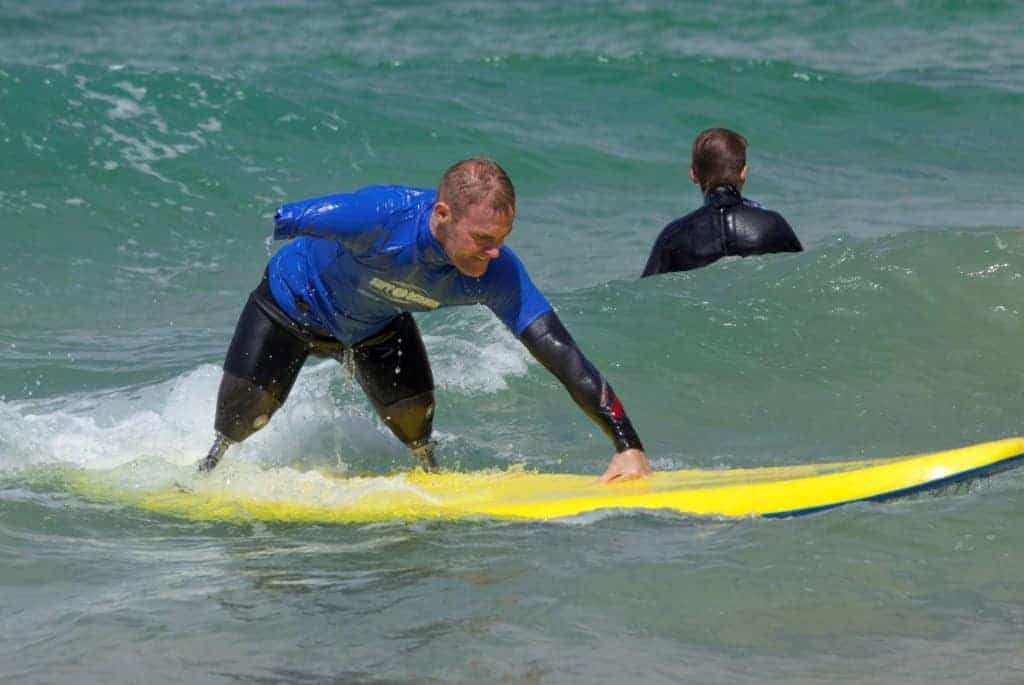
In Britain, disabled surfing is some distance behind countries such as Australia and the USA in terms of organisation – something that you may not find very surprising considering their wealth of glorious golden sanded beaches and year round sunshine. Those countries have probably the strongest overall surfing culture so it’s no wonder that they seem to have been the first to the disabled surfing party. They have created central bodies or at least detailed websites to help inform people about how to get involved. At the moment there is no such system in the UK, just a hotchpotch of different surfing schools which offer disabled lessons, either exclusively or as part of a larger surf school.
It is therefore harder for Brits to find the most suitable and convenient place where they can take up disabled surfing. So we decided that we’re going to highlight some of the major players and hopefully over the course of the next few months we can build on this. This is a bit of a call to action – we want to compile all the details in one place. Perhaps now you can see some logic in writing about surfing in October – hopefully by next summer we will all have been able to find out more. But there are a couple of specialist disabled surf centres we can highlight right now.
The South West coast, unsurprisingly, seems to be the hub of disabled surfing with easily the most visible presence of places to go. Freedom Surf in Newquay is probably the most well established school for less able surfing. They’ve worked with people with over 100 different disabilities and are one of the few schools which is 100% dedicated to disabled surfing.
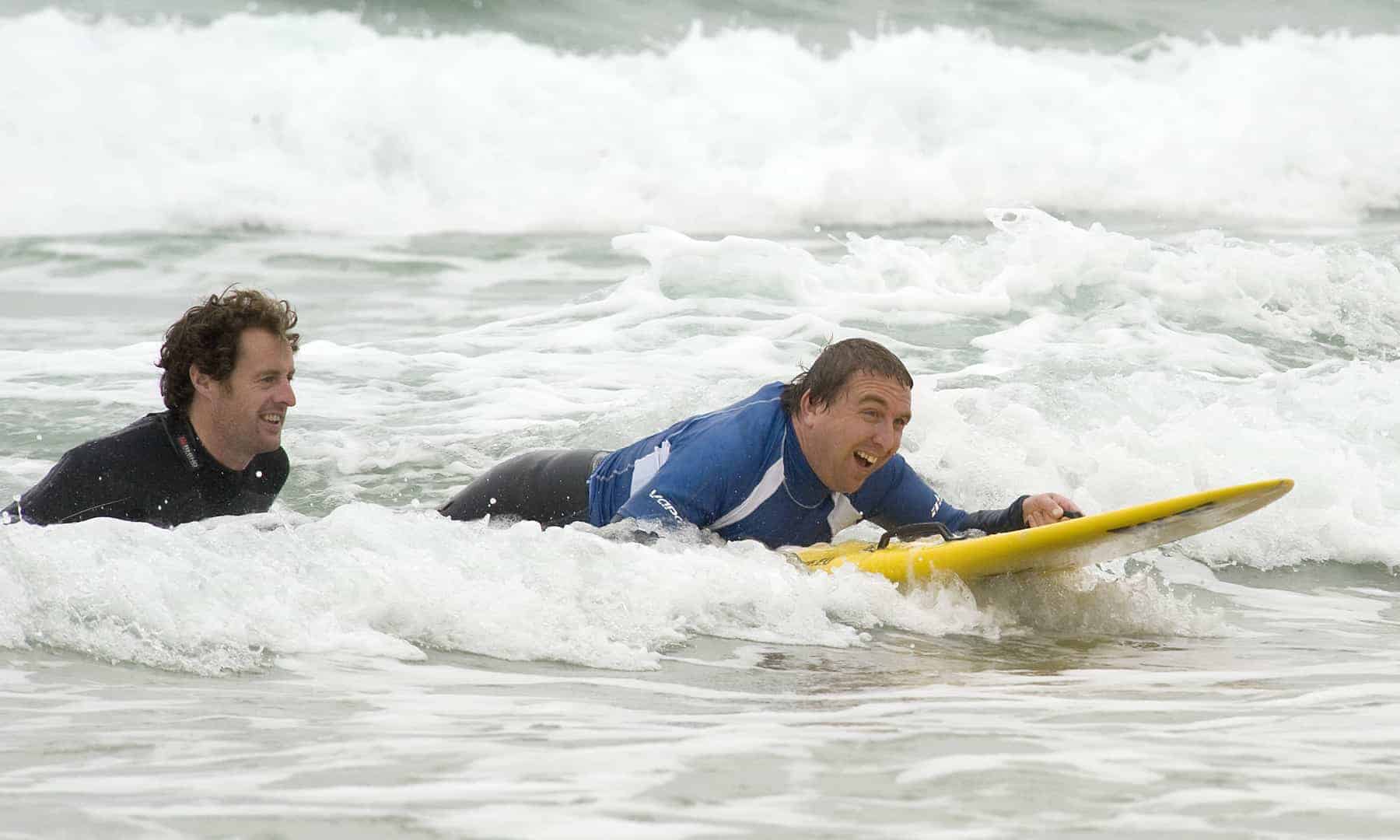
There are also some places which provide disabled coaching as part of a surf school aimed at able bodied people. Discovery Surf School in Bigbury-on-Sea, South Devon and Big Blue Surf in Bude, North Cornwall are examples of those. Another school which does the same sort of thing, outside of the South West, is the Glide Surf School in Cromer, Norfolk. There are more schools out there which teach disabled surfing but as we said we haven’t found anywhere that has gathered all the information in one place. So at the moment a search on Google is still the best way to find somewhere convenient for you.
Hopefully, this has helped as some kind of introduction to disabled surfing and may have piqued your interest in the sport. We’ll aim to keep updating our website with more information on surfing as and when we get it. If anyone has already been brave enough to hit the waves or is daredevil enough to go in this winter then we’d love to hear from them!!